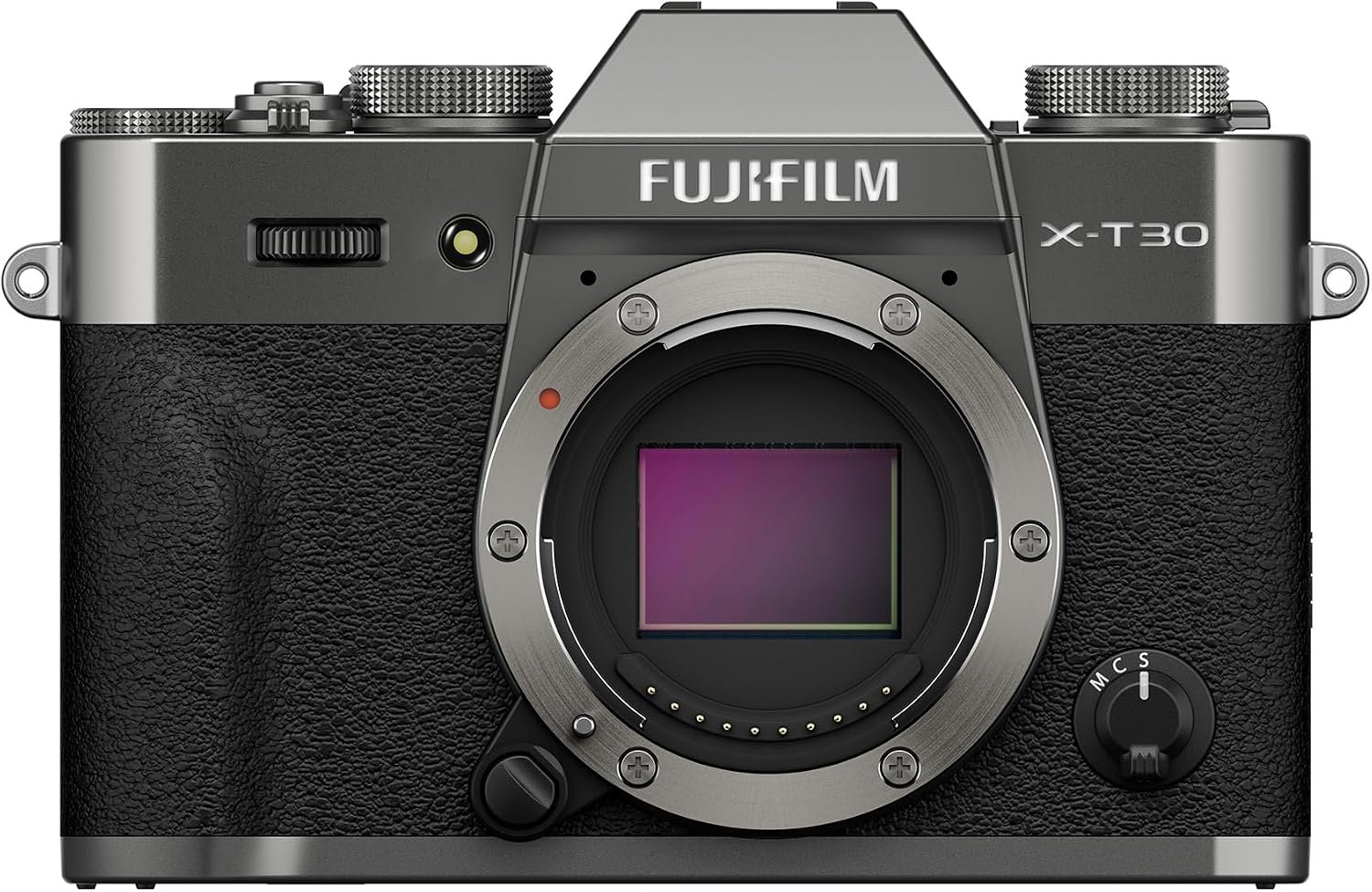
Quick answer: The Fujifilm X-T30 III is a compact APS-C mirrorless camera with a 26.1MP X-Trans CMOS 4 sensor, the X-Processor 5 engine, AI-driven subject tracking, and 6.2K video — all in a body priced well below the X-T50 and X-T5. It’s a strong pick for travel shooters, street photographers, and content creators who want flagship-level smarts without flagship-level cost.
Something interesting happened in the camera world this year. Search traffic for the Fujifilm X-T30 III spiked, and it’s not hard to see why. Photographers have been hunting for a camera that feels like a classic Fujifilm but thinks like a modern one.
That’s exactly what this camera delivers. It blends the retro dials and tactile charm Fujifilm is famous for with processing power that used to be reserved for the company’s pricier models. You get vintage looks on the outside and genuinely smart technology on the inside.
So, is it worth your money? Let’s break down what this camera actually offers, who it’s built for, and where it falls short.
What’s Inside the Fujifilm X-T30 III?
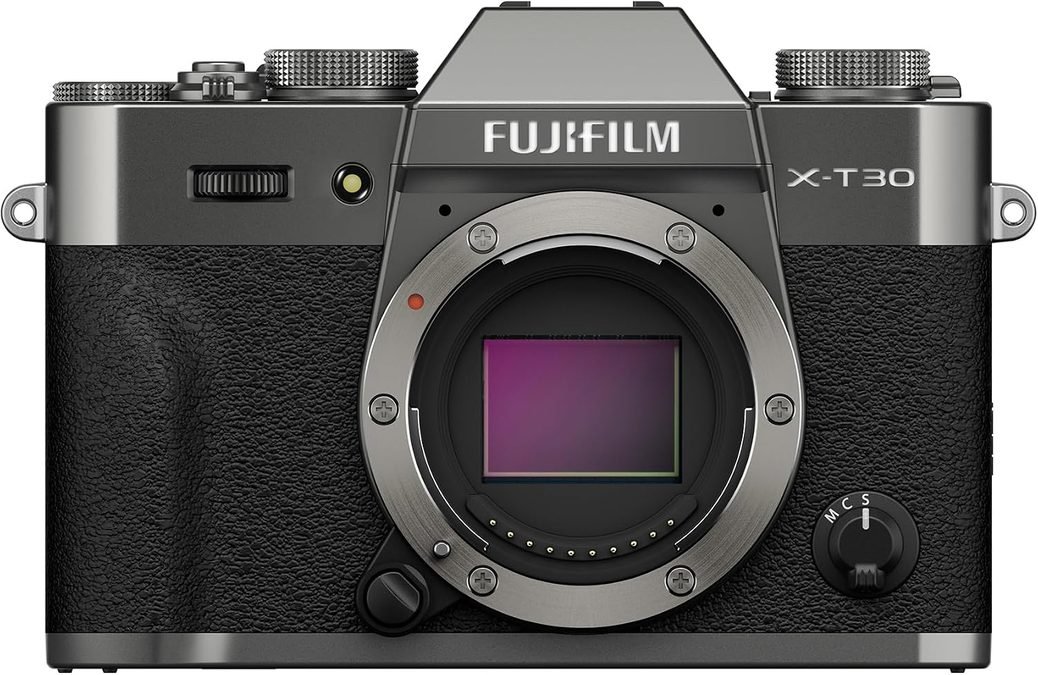
At the heart of the X-T30 III sits a 26.1-megapixel APS-C X-Trans CMOS 4 sensor. If that sounds like technical word soup, here’s the simple version: it’s the same sensor technology found in Fujifilm’s higher-end cameras, and it’s known for producing sharp, detailed images with excellent color accuracy.
Paired with it is the X-Processor 5, Fujifilm’s latest image-processing chip. Think of the processor as the camera’s brain — it’s what allows the X-T30 III to track moving subjects, shoot high-resolution video, and handle low-light scenes without choking.
This combination is the real story here. Fujifilm has taken core technology from its flagship lineup and packed it into a smaller, more affordable body. That’s a meaningful shift, and it’s the main reason this camera has people talking.
Why This Camera Stands Out From the X-T50 and X-T5
Here’s the value proposition in plain terms: the X-T30 III gives you AI-powered autofocus and 6.2K video capability for noticeably less money than Fujifilm’s X-T50 or X-T5.
You’re not getting every feature those cameras offer — more on that in a moment — but for a huge number of photographers, the X-T30 III hits the sweet spot between performance and price. Choose the X-T30 III if you want flagship-level autofocus and video specs without flagship-level spending. Choose the X-T5 instead if in-body stabilization is non-negotiable for your work.
Key Features Worth Knowing About
Design and Ergonomics That Feel Like a Real Camera
Fujifilm didn’t chase a minimalist, all-touchscreen design here, and that’s a good thing for a lot of photographers. The X-T30 III keeps the classic top-plate shutter speed dial, tactile buttons, and a retro silhouette that looks and feels like a proper camera.
It’s also light. Street photographers and travelers will appreciate that they can carry this camera all day without their shoulder complaining by evening.
The Film Simulation Dial: A Fujifilm Signature
One detail that sets Fujifilm cameras apart from competitors is the Film Simulation system, and the X-T30 III makes it even more accessible with a dedicated physical dial.
With a simple twist, you can access 20 built-in Film Simulations, plus custom recipe banks for your own saved looks. These simulations replicate the color science of classic film stocks, so your JPEGs come out of the camera looking finished — no heavy editing required.
For creators who post straight to social media, this is a genuine time-saver. Why spend an hour in Lightroom when your camera already nails the look?
AI-Powered Autofocus That Actually Tracks What You’re Shooting
The X-T30 III uses a deep-learning autofocus system that can recognize and track specific subjects: animals, birds, cars, trains, and people. Instead of hunting around the frame, the camera identifies your subject and locks onto it.
Does the autofocus work in everyday situations? Yes, and that’s really the point. Whether you’re photographing a dog running across a park or a street performer in motion, the camera adjusts focus on its own, in real time.
Hybrid Video Tools for Content Creators
This isn’t just a stills camera. The X-T30 III supports 6.2K/30p open-gate video, along with standard 4K/60p recording. Open-gate recording captures the full sensor area, giving editors more flexibility to crop for different platforms — vertical for Instagram, widescreen for YouTube — without losing quality.
For a camera in this price range, that’s an unexpectedly strong video spec sheet.
Fujifilm X-T30 III Buying Options
Before diving into lens choices, here’s a quick breakdown of how the X-T30 III is sold, so you can figure out which configuration fits your needs.
| Purchase Option | Color Options & Starting Prices | Best Suited For | Target Action Link |
|---|---|---|---|
| Fujifilm X-T30 III (Body Only) | Black: From $789.21 • Silver: From $989.01 • Charcoal Silver: From $1,099.00 | Existing Fujifilm shooters who already own an array of X-mount lenses | Check Body Only Price on Amazon |
| Fujifilm X-T30 III + XC13-33mm Kit | Includes FUJINON XC13-33mm F3.5-6.3 OIS lens | Beginners, travel vloggers, and everyday creators needing a lightweight, stabilized, ultra-wide starter lens | Check Kit Bundle Price on Amazon |
If you already have a collection of X-mount glass, the body-only option makes sense. But if you’re starting from scratch, the kit bundle is the smarter move — and it leads us into the next section.
Deep Dive: The FUJINON XC13-33mm F3.5-6.3 OIS Lens
Why a 13mm Starting Focal Length Matters
A 13mm focal length is genuinely wide. That makes this lens great for vlogging (you can hold it at arm’s length and still fit your whole face and the background in frame), architecture photography, and sweeping travel landscapes.
If you’ve ever tried filming yourself with a “normal” lens and had to stand awkwardly far away, you’ll understand why this wider field of view is such a practical upgrade.
Why Optical Image Stabilization (OIS) Matters Here
Here’s something worth understanding before you buy: the X-T30 III body does not have In-Body Image Stabilization (IBIS). Fujifilm left it out to help keep the overall price down.
That’s where the XC13-33mm lens earns its keep. It includes Optical Image Stabilization built directly into the lens itself, so your handheld shots stay sharp and your video panning stays smooth, even without IBIS in the body.
In other words, this isn’t a workaround — it’s a deliberate design choice. Pick an OIS lens, and you get stabilization anyway.
Pros and Cons of the Fujifilm X-T30 III
Pros
- Outstanding straight-out-of-camera colors thanks to Film Simulations
- Compact, lightweight footprint that’s easy to carry all day
- Smart, reliable subject-recognition autofocus
- Strong video specs for the price, including 6.2K open-gate recording
Cons
- No In-Body Image Stabilization — you’ll need OIS lenses
- Single SD card slot, which limits backup options for professionals
- Tilt-only screen rather than a fully-articulating flip-out display
None of these drawbacks are dealbreakers for most casual and enthusiast shooters, but they’re worth knowing before you buy, especially if you shoot a lot of handheld video or rely on dual card slots for client work.
Frequently Asked Questions
Does the Fujifilm X-T30 III have image stabilization?
No. The camera body doesn’t include internal IBIS. However, it pairs well with stabilized OIS lenses, like the new XC13-33mm kit lens, to get smooth handheld results anyway.
What is the sensor size of the X-T30 Mark III?
It uses a 26.1-megapixel APS-C X-Trans CMOS 4 sensor, the same sensor technology found in several of Fujifilm’s higher-end cameras.
Is the X-T30 III a good camera for beginners?
Yes. Its AI-powered autofocus does a lot of the technical work for you, and the Film Simulation dial makes it easy to get great-looking photos straight out of the camera, with little to no editing needed.
How does the X-T30 III compare to the X-T5?
The X-T30 III costs less and shares similar autofocus and video technology, but it lacks the X-T5’s In-Body Image Stabilization and dual card slots. Choose the X-T5 if stabilization and backup storage matter most to you; choose the X-T30 III if price and portability matter more.
Should I buy the body only or the kit with the XC13-33mm lens?
If you’re new to the Fujifilm system, the kit is the better starting point — it gives you a wide, stabilized lens right out of the box. If you already own X-mount lenses, the body-only option saves you money.
Final Verdict: Should You Buy the Fujifilm X-T30 III?
The Fujifilm X-T30 III earns its spot as one of the most compelling mirrorless cameras of 2026. It takes technology that used to live only in Fujifilm’s flagship bodies — smart autofocus, strong video performance, gorgeous color science — and puts it into a smaller, more affordable package.
Is it perfect? No. The missing IBIS and single card slot mean serious professionals might still want to look at the X-T5. But for casual photographers, travel content creators, and street shooters, this camera dominates its price point.
Affiliate Disclosure: BestPicksOnly is reader-supported. When you buy through links on our site, we may earn an affiliate commission from Amazon or other retail programs at no additional cost to you. As an Amazon Associate, we earn from qualifying purchases. This helps support our independent research and testing. Thank you for your support!