Quick answer: A smart motorcycle helmet integrates advanced technology like Bluetooth communication, Heads-Up Displays (HUD), built-in cameras, and crash detection sensors directly into the shell. These connected helmets improve rider safety and convenience by allowing hands-free navigation, music streaming, and emergency SOS alerts without distracting the rider from the road.
Riding a motorcycle has always been about freedom. But let’s be honest, fumbling with your phone for directions or dealing with wind noise while trying to hear your music can ruin the experience.
That is exactly why the smart motorcycle helmet is changing the game. By blending high-tech features with essential safety gear, these connected helmets make riding safer and much more enjoyable.
We are seeing integrated technology like Bluetooth, HUD, cameras, and navigation becoming standard features rather than sci-fi concepts. The growing popularity of connected riding gear proves that modern riders want more than just impact protection.
If you are curious about upgrading your gear, you are in the right place. Let’s break down everything you need to know about smart motorcycle helmets.
What Is a Smart Motorcycle Helmet?
Definition and Overview
A smart motorcycle helmet is protective headgear equipped with built-in electronics. Instead of buying a standard helmet and clamping a bulky Bluetooth communicator to the side, a smart helmet has these systems seamlessly integrated from the factory.
How Smart Helmets Work
These helmets use a built-in battery to power various internal components. Speakers are tucked into the ear pockets, microphones are hidden near the chin bar, and a central processor handles the connection to your smartphone via Bluetooth or Wi-Fi.
Difference Between Traditional and Smart Helmets
Traditional helmets focus entirely on passive safety—absorbing impact during a crash. Smart helmets offer passive safety plus active features. They actively help you avoid accidents with better navigation, voice commands, and enhanced situational awareness.
Key Features of Smart Motorcycle Helmets
Bluetooth Connectivity
This is the foundation of any connected helmet. Bluetooth allows you to link the helmet to your smartphone to take calls, listen to music, and hear GPS directions.
Heads-Up Display (HUD)
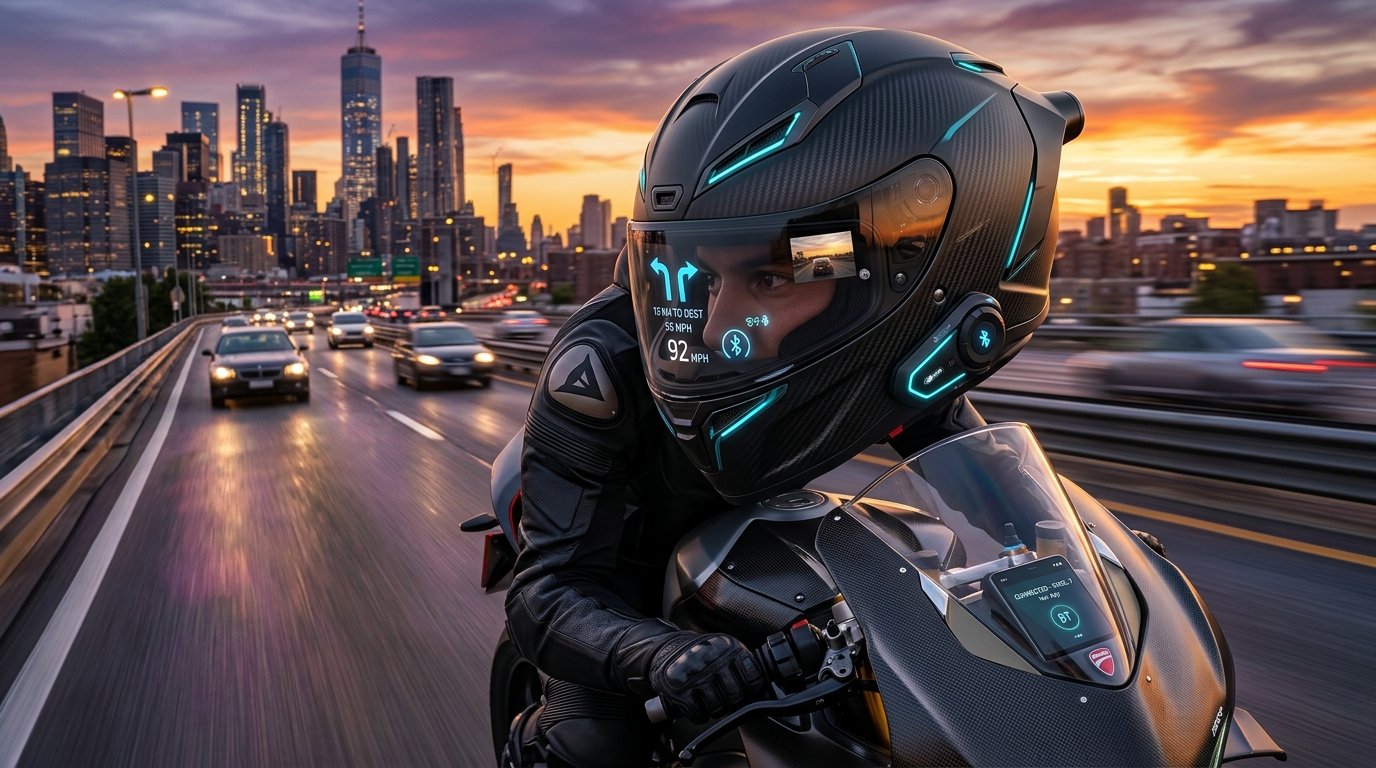
A Heads-Up Display projects essential information onto your visor. You can see your speed, turn-by-turn navigation, and incoming calls right in your line of sight.
Built-In Navigation Systems
Instead of looking down at a handlebar-mounted phone, built-in navigation feeds audio directions directly into your ears. Some premium models even pair this with a HUD.
Integrated Cameras
Helmets like the Forcite MK1S feature chin-mounted HD cameras. These act as dashcams to record your ride for safety or capture scenic routes for your vlog.
Voice Assistant Support
Voice assistant integration means you can talk to Siri or Google Assistant while riding. You can change songs or send a text using just your voice.
Emergency SOS and Crash Detection
Brands like Quin Design include sensors that detect sudden impacts. If you crash, the helmet automatically sends an SOS beacon with your GPS location to emergency contacts.
Noise Cancellation Technology
Wind noise can damage your hearing over time. Advanced smart helmets use active noise cancellation to block out harmful wind roar while letting sirens and traffic sounds through.
Benefits of Using a Smart Motorcycle Helmet
Improved Rider Safety
By keeping your eyes on the road and your hands on the bars, smart helmets drastically reduce distractions.
Hands-Free Communication
Need to talk to your riding group? Built-in intercom systems allow seamless, hands-free communication with multiple riders.
Better Navigation Experience
Audio cues and HUD visuals make missing a turn a thing of the past.
Enhanced Situational Awareness
Rear-view cameras and advanced audio transparency let you know exactly what is happening in your blind spots.
Entertainment and Music Streaming
Long highway stretches are much better when you have your favorite playlist pumping through high-quality internal speakers.
Ride Recording and Dashcam Features
Integrated cameras provide undeniable video evidence if you are involved in an accident.
Types of Smart Motorcycle Helmets
Bluetooth Helmets
These are the most common and affordable. They focus primarily on audio communication and music streaming.
HUD Smart Helmets
These premium options project data onto the visor. Choose a HUD helmet if visual navigation is your top priority.
Helmets With Rear Cameras
These feature built-in cameras acting as a digital rearview mirror to eliminate blind spots.
Full-Face Smart Helmets
Offering the highest level of physical protection, these helmets integrate tech without compromising the solid chin bar.
Modular Smart Helmets
Models like the Sena Impulse allow you to flip up the chin bar. They offer great convenience at stoplights.
Smart Helmet Technology Explained
Artificial Intelligence and Safety Sensors
AI processors analyze data from built-in accelerometers and gyroscopes to accurately detect crashes and filter out false alarms.
Augmented Reality Displays
Next-generation HUDs use augmented reality to overlay arrows directly onto the road ahead.
GPS and Navigation Systems
Dedicated GPS modules track your speed and location independent of your phone’s cellular signal.
Wireless Connectivity Features
Modern helmets use Bluetooth 5.0 and Mesh intercom networks to maintain stable connections with other riders up to a mile away.
Battery and Charging Technology
Most helmets use rechargeable lithium-ion batteries. You can typically expect 8 to 12 hours of battery life on a single charge.
Best Smart Motorcycle Helmets
Best Overall Smart Helmet
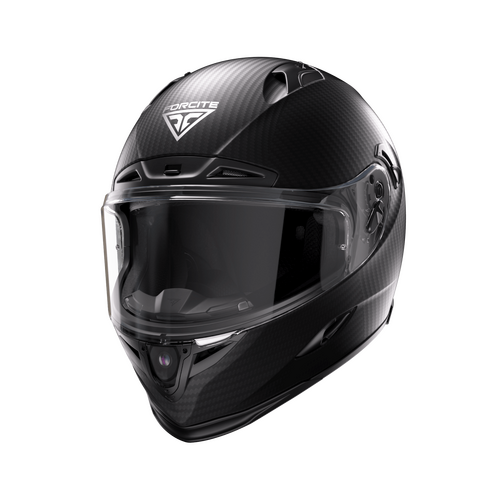
The Forcite MK1S stands out as a top contender. It blends a sleek carbon-fiber shell with an integrated camera and LED navigation system
Best Budget Smart Helmet
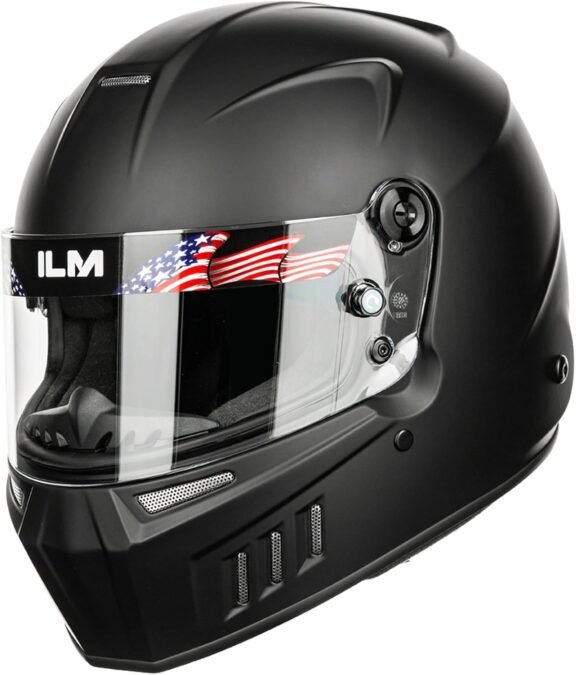
If you want tech without the massive price tag, look for entry-level models from brands like ILM or Sedici, which offer basic Bluetooth integration under $300.
Best Premium Smart Helmet
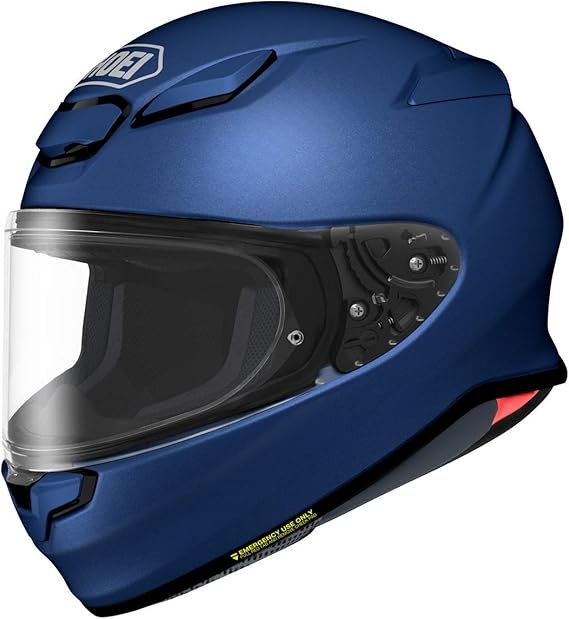
Shoei’s Opticson pushes the boundaries of HUD technology for riders who want the absolute best visual experience.
Best Helmet for Touring Riders
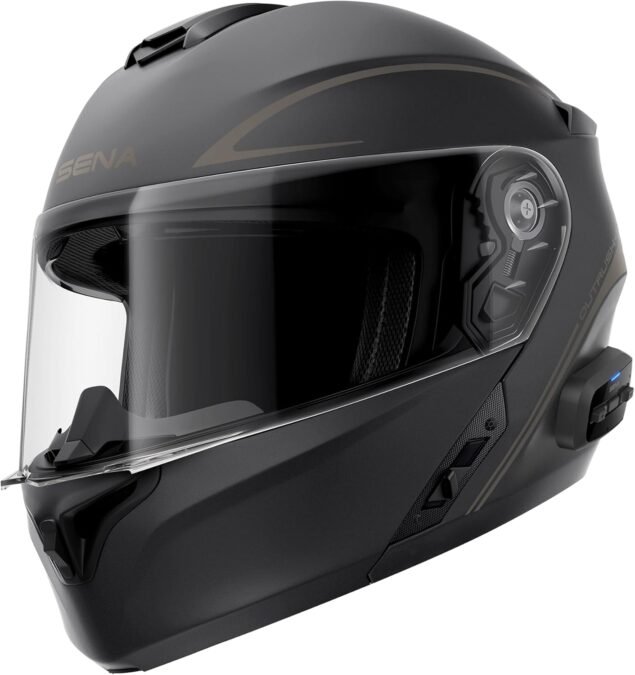
The Sena Impulse modular helmet is perfect for long trips. It features Harman Kardon audio and a comfortable flip-up design.
How Much Does a Smart Motorcycle Helmet Cost?
Entry-Level Smart Helmets
You can find basic Bluetooth helmets for around $150 to $300. These get the job done but lack premium audio and camera features.
Mid-Range Connected Helmets
Expect to pay between $400 and $700 for helmets like the Sena Impulse. These offer premium speakers, mesh communication, and superior build quality.
Premium AI Smart Helmets
High-end options featuring cameras, HUDs, and crash detection, like the Forcite MK1S, usually retail between $1,000 and $1,200.
Maintenance and Accessory Costs
Factor in the cost of replacement visors, firmware updates, and potentially a power bank for long trips.
Are Smart Helmets Worth the Price?
Choose a smart helmet if the convenience of built-in tech matters more to you than saving a few hundred dollars. For daily commuters and touring riders, the safety and navigation benefits easily justify the cost.
How to Choose the Right Smart Motorcycle Helmet
Safety Certifications
Never compromise on safety. Always look for the latest ECE 22.06 certification, or at least DOT and Snell approvals.
Comfort and Fit
A smart helmet is useless if it gives you a headache. Try it on to ensure the interior lining fits your specific head shape.
Battery Life
Check the battery specs. If you frequently take 8-hour road trips, a helmet with a 4-hour battery life will leave you riding in silence.
Audio and Communication Features
If you ride in large groups, choose a helmet with Mesh intercom capabilities rather than just standard Bluetooth.
Camera and Navigation Needs
Decide if you actually need a HUD or camera. If you only want music, skip the heavy camera helmets.
Weather Resistance and Durability
Ensure the electronics are fully waterproof. Riding in the rain is inevitable.
Smart Motorcycle Helmet vs Traditional Helmet
Safety Comparison
Both provide excellent impact protection. However, smart helmets offer active safety features like SOS beacons that traditional helmets lack.
Technology Features
Traditional helmets require aftermarket clip-on devices to match the capabilities of a smart helmet.
Comfort and Convenience
Smart helmets are aerodynamically cleaner because there are no bulky devices hanging off the side of the shell.
Price Differences
Traditional helmets are significantly cheaper. A top-tier traditional Shoei might cost $600, while a comparable smart helmet easily exceeds $1,000.
Common Problems and Solutions
Bluetooth Connectivity Issues
Dropped connections happen. Keep your helmet’s firmware updated via the manufacturer’s app to fix software bugs.
Battery Drain Problems
Cold weather kills batteries fast. Keep your helmet indoors overnight before a winter ride.
HUD Visibility Concerns
Bright sunlight can wash out HUD displays. Adjust the brightness settings or swap to a tinted visor to improve contrast.
Audio Quality Challenges
If the audio sounds tinny, check the speaker placement. Moving the speakers just a millimeter closer to your ear makes a massive difference.
Helmet Maintenance Tips
Never submerge a smart helmet in water. Use a damp microfiber cloth to clean the shell, and carefully remove the liner to wash it.
Future Trends in Smart Motorcycle Helmets
AI-Powered Riding Assistance
Future helmets will use AI to learn your riding habits and suggest alternative routes based on your preferences and traffic conditions.
Augmented Reality Navigation
We will soon see full-visor AR systems that highlight hazards on the road in real-time.
Advanced Crash Detection Systems
Future sensors will predict crashes milliseconds before they happen, potentially linking to wearable airbag vests.
Smart City Connectivity
Vehicle-to-Everything (V2X) technology will allow your helmet to communicate directly with traffic lights and other vehicles.
Solar Charging Technology
Brands are exploring ultra-thin solar panels integrated into the helmet shell to constantly trickle-charge the battery while you ride.
Frequently Asked Questions
Are smart motorcycle helmets legal?
Yes, smart motorcycle helmets are legal as long as they meet local safety standards like DOT (in the US) or ECE 22.06 (in Europe).
Do smart helmets improve safety?
Yes, they reduce rider distraction by offering hands-free communication and can automatically alert emergency services if you crash.
How long does the battery last?
Most smart helmets offer between 8 and 12 hours of battery life, depending on how heavily you use the camera or HUD features.
Can smart helmets connect to smartphones?
Absolutely. They connect via Bluetooth to allow you to stream music, answer calls, and hear GPS directions.
Are smart helmets waterproof?
The internal electronics are highly water-resistant, making them safe to use during heavy rainstorms.
What is the best smart motorcycle helmet brand?
Forcite, Sena, and Quin Design are currently leading the market with highly rated, reliable smart helmets.
Making the Switch to Connected Riding Gear
Smart motorcycle helmets offer an incredible blend of safety, convenience, and futuristic technology. They keep you connected to your phone and your riding group without pulling your focus away from the road.
If you are tired of dealing with aftermarket comms units and phone mounts, upgrading to a fully integrated smart helmet is a smart move. Compare the features that matter most to you, check those safety ratings, and enjoy a much smoother ride.